In this guide today, we are here with our in-depth review of the best clematis for zone 7. There are plenty of choices with multiple websites and therefore difficult to choose the best one. We recommend to read the guide and choose the one that suits your need as we review products based on the various options, features, price, quality and many more . To avoid this dilemma, we recommend to read this guide and review. It gives you insider information on how to choose the best clematis for zone 7 for your needs and budget.
In this in-depth review guide, we will discuss about the best clematis for zone 7.
There are more than 300 species and hundreds of hybrids of clematis. Most clematis are woody, deciduous vines while others are shrub, or trailing types. Some species bloom in spring; others, in mid-to late summer. Most clematis are hardy in USDA Hardiness Zones 4 to 8 and native to North America.
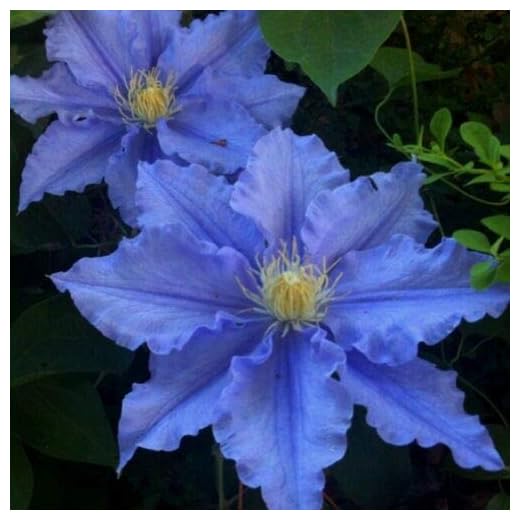
The blooms are spectacular with some flowers reaching up to 10 inches across! These showy flowers in the form of saucers, bells, tubes, tulips, open bells, doubles, and semi-double. The flowers are usually in the cool shades of purple or pink though they do come in a stunning array of tones including blue, white, magenta, yellow, and bicolor.
Clematises appreciate a trellis, post, or stationary structure to climb; without something, the vine will sprawl, including over the ground. Hummingbirds, bees, and butterflies love their blooms.
Grow in fertile, medium moisture, well-drained soils in full sun to part shade. Vining hybrids are best sited in locations where the flowering parts of the vine are in sun to part shade but the roots are shaded. Some light afternoon shade is usually beneficial in hot and humid summer climates.
Roots should be kept cool, shaded and uniformly moist. Root areas may be shaded with perennials, annuals or small shrubs. A thick root mulch is appreciated. Do not allow soils to dry out.
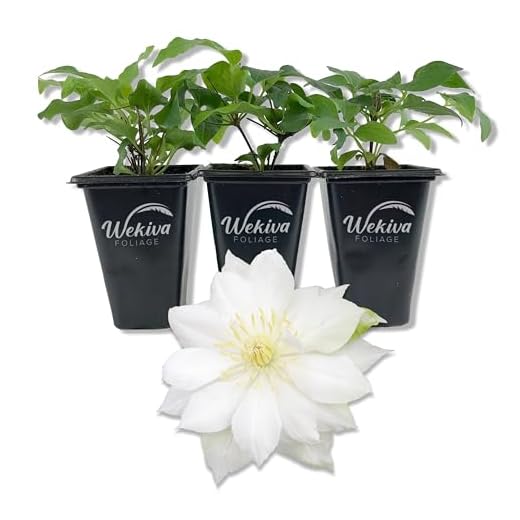
Burgundy Clematis Live Plant, 2.5" Pot, Fragrant Flowering Vine
There are more than 300 species and hundreds of hybrids of clematis. Most clematis are woody, deciduous vines while others are shrub, or trailing types. Some species bloom in spring; others, in mid-to late summer. Most clematis are hardy in USDA Hardiness Zones 4 to 8 and native to North America.
The blooms are spectacular with some flowers reaching up to 10 inches across! These showy flowers in the form of saucers, bells, tubes, tulips, open bells, doubles, and semi-double. The flowers are usually in the cool shades of purple or pink though they do come in a stunning array of tones including blue, white, magenta, yellow, and bicolor.
Clematises appreciate a trellis, post, or stationary structure to climb; without something, the vine will sprawl, including over the ground. Hummingbirds, bees, and butterflies love their blooms.
Grow in fertile, medium moisture, well-drained soils in full sun to part shade. Vining hybrids are best sited in locations where the flowering parts of the vine are in sun to part shade but the roots are shaded. Some light afternoon shade is usually beneficial in hot and humid summer climates.
Roots should be kept cool, shaded and uniformly moist. Root areas may be shaded with perennials, annuals or small shrubs. A thick root mulch is appreciated. Do not allow soils to dry out.
The Video Review of Best clematis for zone 7
Conclusion
When you’re looking for clematis for zone 7, you’ll want to keep a few things in mind. First, decide what you want to use the clematis for zone 7 for. Next, check the product reviews with comparision which we have listed as well. Once you’ve decided on clematis for zone 7 you want to buy clematis for zone 7, look at the reputation of the manufacturer as well. You can compare prices and quality together before you make your purchase.